Description
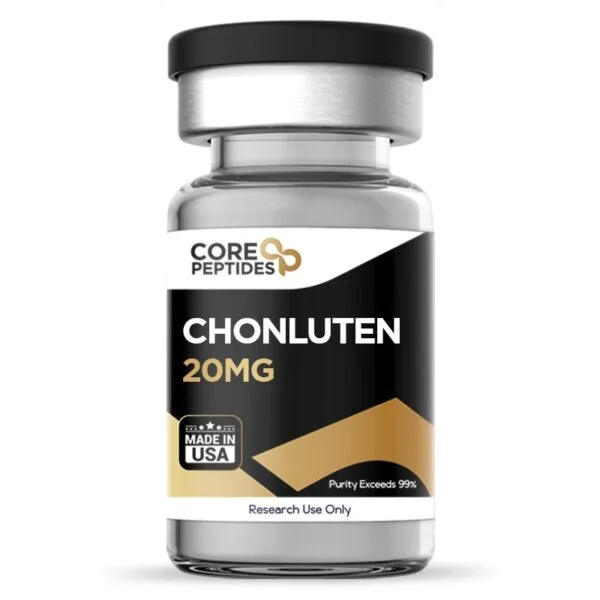
Chonluten Peptide – Supporting Respiratory and Immune Health
Chonluten Peptide, also known as EDG tripeptide or T-34, is a tripeptide composed of glycine, glutamine, and asparagine. Researchers suggest that it may regulate respiratory function, reduce inflammation, and support tissue repair. Chonluten may restore anabolic and catabolic processes critical to functional tissues, particularly in the lungs and gastrointestinal tract.
Chemical Makeup
-
Molecular Formula: C11H17N3O8
-
Molecular Weight: 319.27 g/mol
-
Structure: (4S)-4-amino-5-[[(2S)-3-carboxy-1-(carboxymethyl amino)-1-oxopropan-2-yl]amino]-5-oxopentanoic acid
-
Other Names: Glu-asp-gly, Glutamyl-aspartyl-glycine, H-Glu-asp-gly-OH, T-34 tripeptide
Chonluten Peptide and Lung Health
Chonluten may protect the bronchial lining and reduce cell death in lung tissues. Researchers suggest that it may activate STAT1 molecules in macrophages to regulate immune signaling and reduce inflammation. It may also suppress STAT3 activation, which controls IL-6 production, a key inflammatory mediator.
By modulating proteins such as IL-6, TNF, and IL-17, Chonluten may help calm immune responses. Studies also indicate that it may reduce adhesion between endothelial cells and immune cells, potentially enhancing immune cell mobility and controlling inflammation in the lungs.
Impact on Gastrointestinal Tissues
Chonluten may exert similar anti-inflammatory effects in the gastrointestinal tract. It could promote cell repair by regulating genes linked to antioxidant enzymes such as SOD. This helps balance oxidative stress, protecting the stomach lining from damage.
The peptide may also regulate TNF-α and COX-2, reducing inflammation and supporting tissue healing. Furthermore, Chonluten may stimulate fibroblast proliferation, new blood vessel formation, and epithelial cell growth, all of which are critical for restoring damaged tissues.
Gene Expression and Cellular Mechanisms
Short peptides like Chonluten can penetrate cell nuclei and interact with DNA, histones, and nucleosomes. This interaction may influence gene expression and DNA methylation, helping regulate cell repair, proliferation, and anti-aging processes. By targeting genes such as HSP70, c-Fos, SOD, and TNF-α, Chonluten may modulate inflammation, oxidative stress, and cellular survival.
Immune System Regulation
Chonluten may stimulate or suppress immune responses depending on the physiological context. It appears to regulate genes involved in immune defense, inflammation, and tissue repair. This includes HSP70 for cell protection, c-Fos for cell differentiation, and TNF-α for immune modulation.
Support for Aerobic Performance
Research suggests that Chonluten may enhance muscle protein synthesis, recovery, and endurance. It may reduce stress hormone secretion and improve tolerance to low oxygen conditions, helping the lungs and muscles function efficiently under hypoxia.
By influencing genes such as HSP70, c-Fos, SOD, COX-2, and TNF-α, Chonluten may protect cells from oxidative stress, reduce inflammation, and support tissue resilience during intense aerobic activity. You may also be interested in our related research peptides, including bpc 157, bpc 157 peptide, Tesamorelin, ghk cu peptide, tesamorelin peptide, cjc 1295 ipamorelin, mots-c, semax, and PT-141. For research use only.
Conclusion
this Peptide may support respiratory, gastrointestinal, immune, and muscular systems. By regulating gene expression, reducing inflammation, and promoting tissue repair, it shows promise as a bioactive peptide with organ-specific benefits.
Chonluten peptide is intended for research purposes only. Follow safety guidelines before use.

Reviews
There are no reviews yet